Introduction
————
Omsk is a growing regional hub with passionate local audiences, solid cultural institutions, and unique logistical realities. Whether you’re an aspiring event director or an experienced producer working in Omsk, this playbook provides actionable guidance across event direction, creative production, show technology, and marketing — with local realities in mind.
1. Know the Omsk context
————————-
— Climate and seasonality: continental climate — harsh winters and short summers. Plan outdoor festivals between late May and early September; indoors during October–April.
— Audience: strong cultural interest in theatre, music, and family events. Students and young professionals are active online (VK, Telegram, Instagram).
— Infrastructure: expect good rail and road links; power on site often supplies 220 V single-phase and 380 V three-phase for heavier loads — confirm availability in advance.
— Permits and local bodies: coordinate with municipal administration, fire safety (Пожарный надзор), police, and public health for events with food or large crowds.
2. Early planning (60–90 days out for mid-sized events)
——————————————————-
— Define objective: brand awareness, ticket revenue, community engagement, sponsor ROI.
— Audience profile: demographics, motivations, price sensitivity, preferred channels.
— Budget skeleton: allocate by % — Production & Tech 35–45%, Talent 20–30%, Marketing & Sales 10–20%, Operations & Permits 5–10%, Contingency 5–10%.
— Venue scouting: indoor theatres, philharmonic halls, exhibition centers, sports arenas, city squares and parks. Inspect loading access, backstage size, power, rigging points, and audience flow.
3. Permits, safety and local regulations
—————————————-
— Start permits early: municipal event permit, road closures, temporary structures, alcohol sales, and food handling licenses when applicable.
— Fire and crowd safety: certified fire extinguishers, evacuation routes, trained stewards, and documented emergency plan. Arrange inspection dates with local authorities.
— Rigging and structural safety: use certified rigging crews and check load ratings; secure written confirmation of attachment points from venue.
— Insurance: public liability and equipment insurance; consider artist cancellation insurance.
4. Show technology essentials
——————————
— Sound: site-specific FOH calculations. For 1,000–3,000 audience use line arrays; for smaller halls, high-quality point-source systems suffice. Always test for intelligibility (speech and vocals).
— Lighting: prioritize stage wash, color and dynamic effects. For outdoor evening shows, factor in sufficient lux levels and backup power.
— Power and distribution: confirm mains capacity, hire a licensed electrician for distro and power locks. Plan for 380 V three-phase for large dimmers/PA amplifiers.
— Video & content: LED walls or projection for larger events; playback systems with SMPTE/NAV sync. Content must be pre-approved with clients/talent.
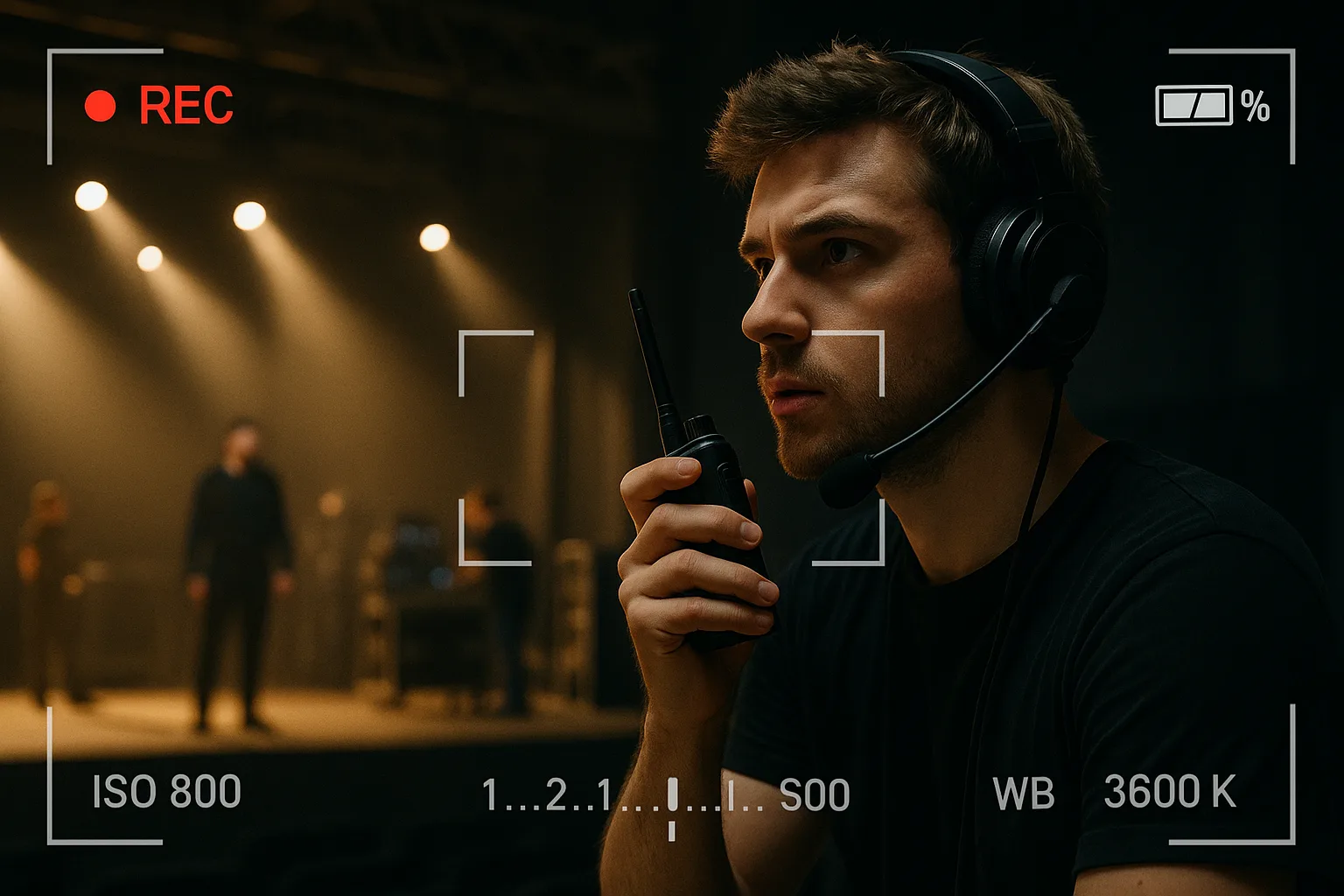
— Communications: dependable comms (radio/Intercom) with spare batteries and a channel plan.
— Redundancy: spare mics, amp channels, key cables, and at least one backup laptop for playback.
5. Creative production and programming
—————————————
— Narrative and flow: craft acts to maintain tempo — opener, build, peak, resolution. Keep transitions tight to respect technical limits.
— Local talent vs. headliners: combine local acts to build community buy-in and reduce travel costs; use a headliner to sell tickets.
— Stagecraft: use scenic elements that travel and store easily if you plan recurring events. Lighting and projection can create scale without heavy set pieces.
— Rehearsal planning: full tech rehearsal with cues and soundchecks. Allocate buffer time for unexpected delays.
6. Marketing for Omsk audiences
——————————-
— Digital channels: VKontakte (VK) is still essential regionally; Telegram channels and local Instagram accounts reach younger demographics. Use Yandex.Direct and targeted social ads.
— Local media: build relationships with local radio, regional TV, city portals, and community Telegram channels for event listings and PR.
— Partnerships: collaborate with universities, cultural centers, cafes, and local businesses for cross-promotion and ticket bundles.
— Offline promotion: posters in transport hubs, flyers at cultural institutions, and street teams on market days. Respect municipal billboard rules.
— Ticketing strategy: early-bird tiers, promo codes for partners, and student discounts. Offer clear refund and transfer policies.
— Measurement: track KPIs — ticket sales progress, CPM/CPA for ads, engagement rates on posts, and conversion from each channel.
7. Staffing and volunteer management
————————————
— Core team: producer (overall), technical director, stage manager, production manager, marketing lead, FOH manager.
— Volunteers: recruit locally (students, cultural organizations). Provide clear roles, shift schedules, orientation, and incentives (free entry, meals, certificates).
— Briefing: run pre-event briefings, chain-of-command charts, and emergency contacts list.
8. Budgeting and vendor procurement
————————————
— RFP approach: get multiple quotes for PA, lighting, staging