Introduction
This guide is written for aspiring and practicing event directors working in Omsk, Russia. It pulls together practical checklists, local considerations, and production frameworks across four pillars: event direction, creative production, show technology, and event marketing. Use it as a template — adapt timelines, suppliers and budgets to your scale and goals.
Four pillars of successful events
— *Event direction*: project management, stakeholder alignment, permits, budgets, scheduling.
— *Creative production*: concept, programming, casting, stage design, guest experience.
— *Show technology*: sound, lighting, rigging, AV playback, broadcast/streaming.
— *Event marketing*: audience acquisition, partnerships, ticketing, PR and social media.
Quick local context: Omsk essentials
— Climate: strongly continental — cold, snowy winters and warm summers. Plan heating, snow-management for outdoor events and seasonal marketing timing.
— Audience: mix of students, families, working professionals; tailor messaging and pricing by segments.
— Transport & accommodation: central venues are walkable from public transport; airport access easier for regional acts. Factor artist logistics if flying in.
— Regulation & safety: coordinate with Omsk city administration, fire and emergency services, local police, and utility providers early in the planning.
— Local suppliers: there’s a network of regional production companies, rental houses and technicians — build relationships and always verify equipment and references.
Pre-production checklist (start 12–24 weeks out for medium events)
— Define objectives & KPIs (attendance, revenue, brand exposure).
— Confirm date(s) and backup dates (consider climate and local calendar).
— Book venue and secure a deposit.
— Create preliminary budget and stakeholder sign-off.
— Apply for permits and notify authorities (traffic, public safety, alcohol licensing if applicable).
— Draft artist contracts and technical riders.
— Build the core team: production manager, technical lead, creative director, marketing lead, logistics lead.
— Start ticketing setup and early-bird campaigns.
— Create a risk management plan (medical, weather, technical failure, evacuation).
— Plan for insurance (public liability, equipment).
Venue selection & evaluation (how to choose in Omsk)
— Types of venues: theaters, concert halls, exhibition centers, sports arenas, city squares and restaurants/clubs.
— Key evaluation points:
— Capacity vs desired atmosphere.
— Technical infrastructure: load-in access, rigging points, power capacity, backstage space.
— Acoustics and sightlines.
— Permitted noise levels and curfew.
— Accessibility and transport links.
— Local reputation and past events — ask for references and photos from previous productions.
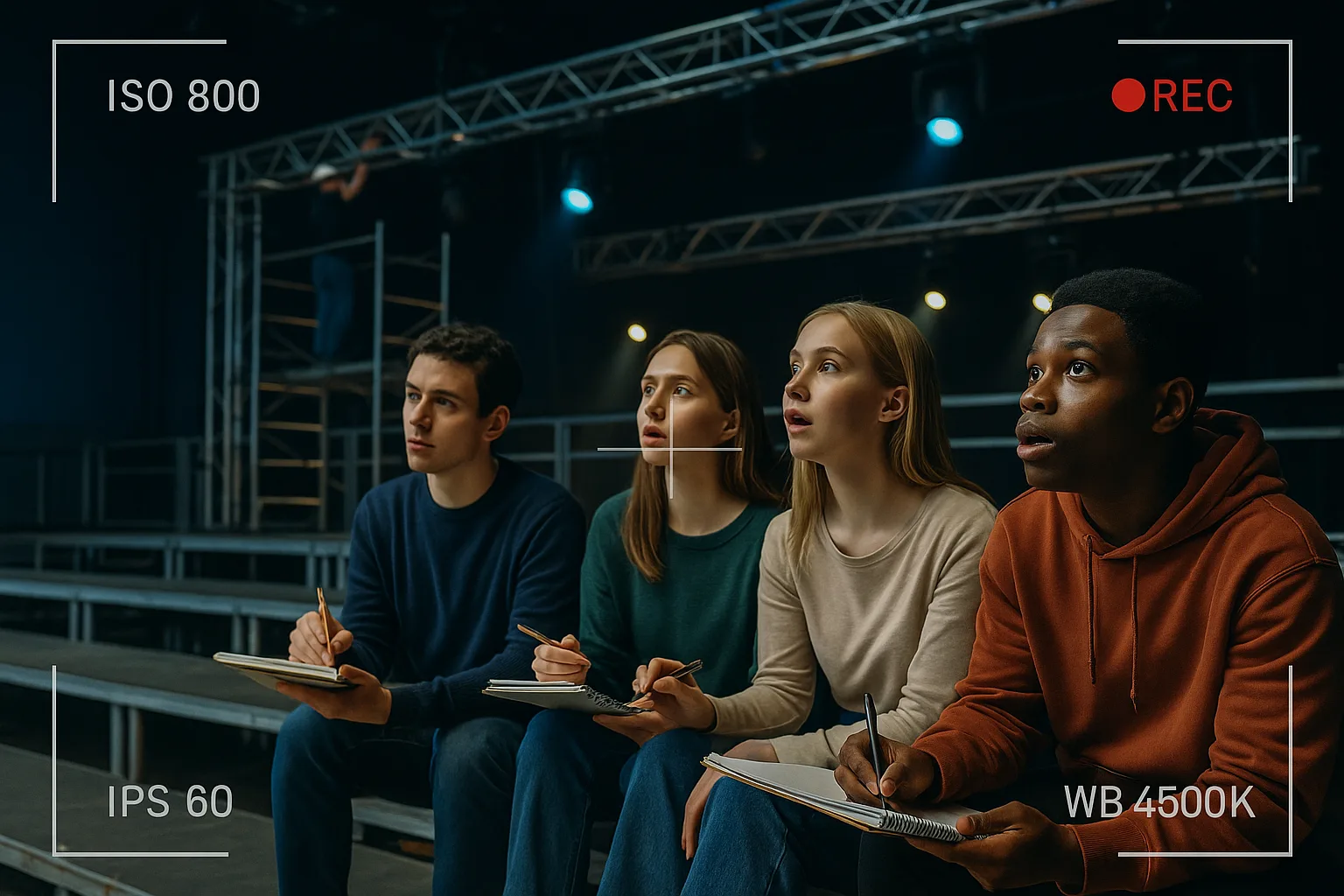
— Insist on a venue walkthrough with the technical lead and a scaled floor plan before contract signature.
Technical production: core requirements
— Sound: FOH PA sized for capacity, monitor system, console, DI boxes, skilled FOH/monitor engineers.
— Lighting: truss/rigging, intelligent fixtures, front wash, house dimming, DMX patching and backup consoles.
— Staging: load capacity, stage shell, stage flooring for choreography or heavy gear.
— Power: locked, labeled distro with adequate amperage; backup generators for outdoor events.
— Video & streaming: cameras, switcher, projection or LED wall, streaming encoder and reliable internet (consider bonded cellular or dedicated line).
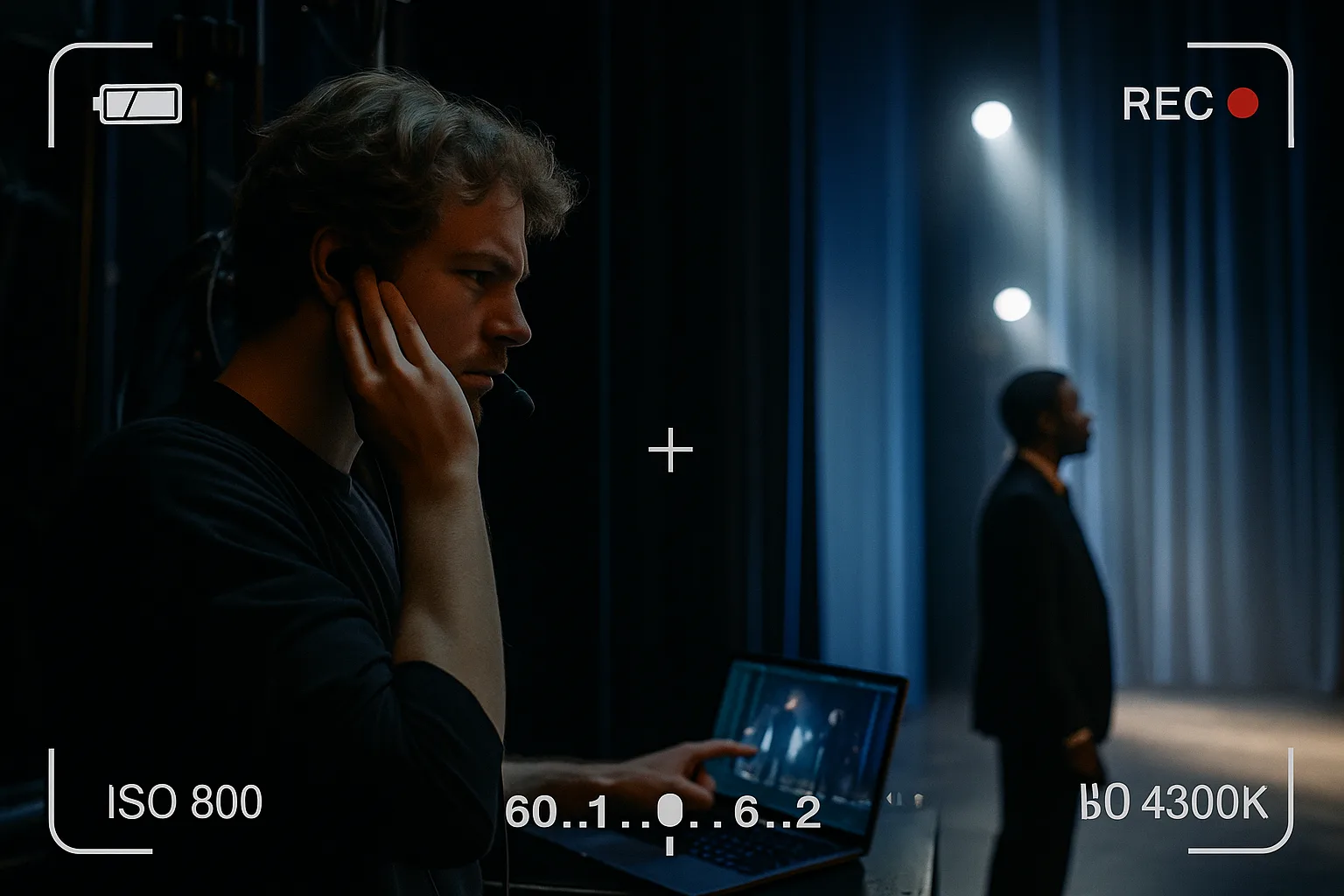
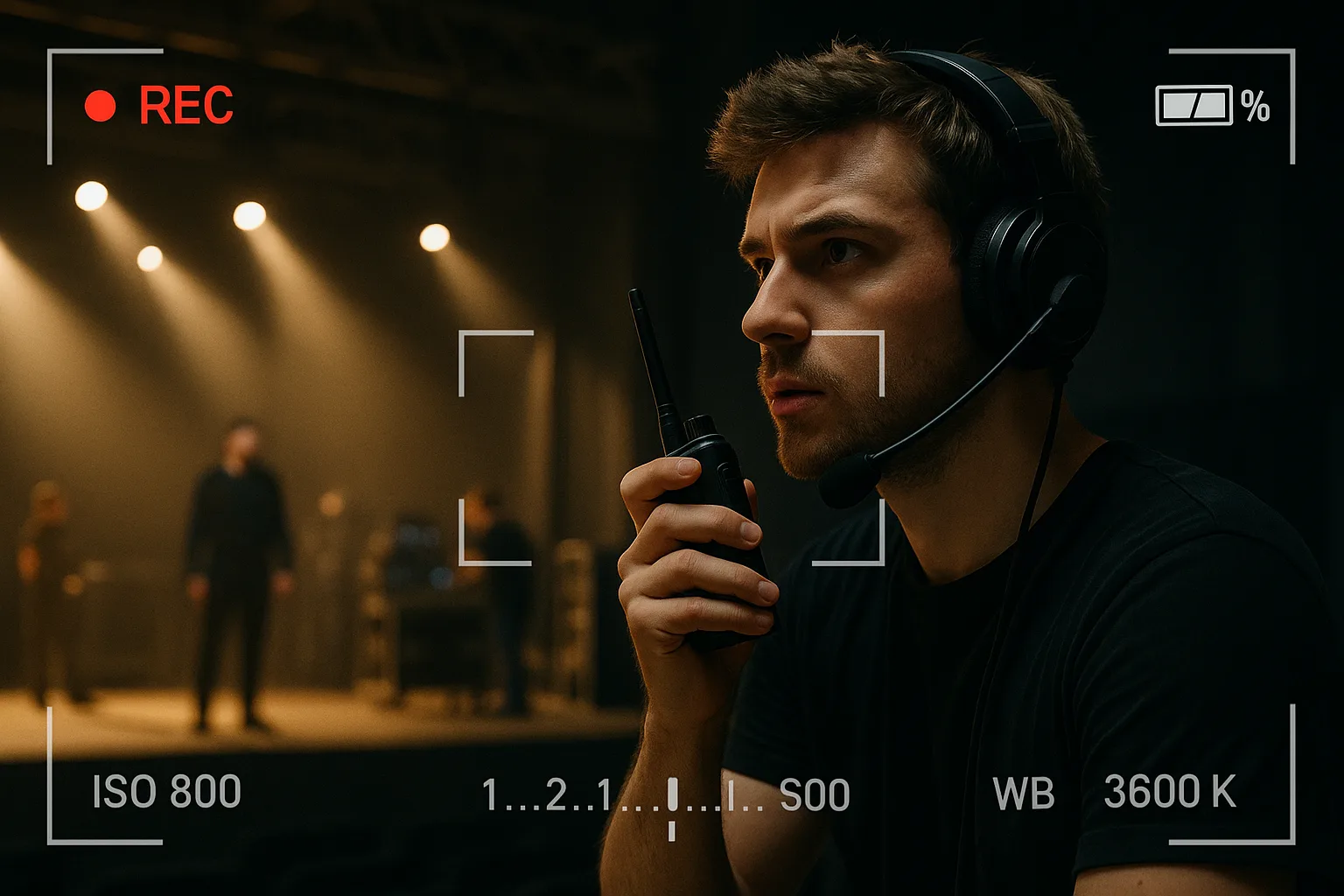
— Communications: wired comms (Intercom), VHF/UHF radios for crew, and a stage manager’s cueing system.
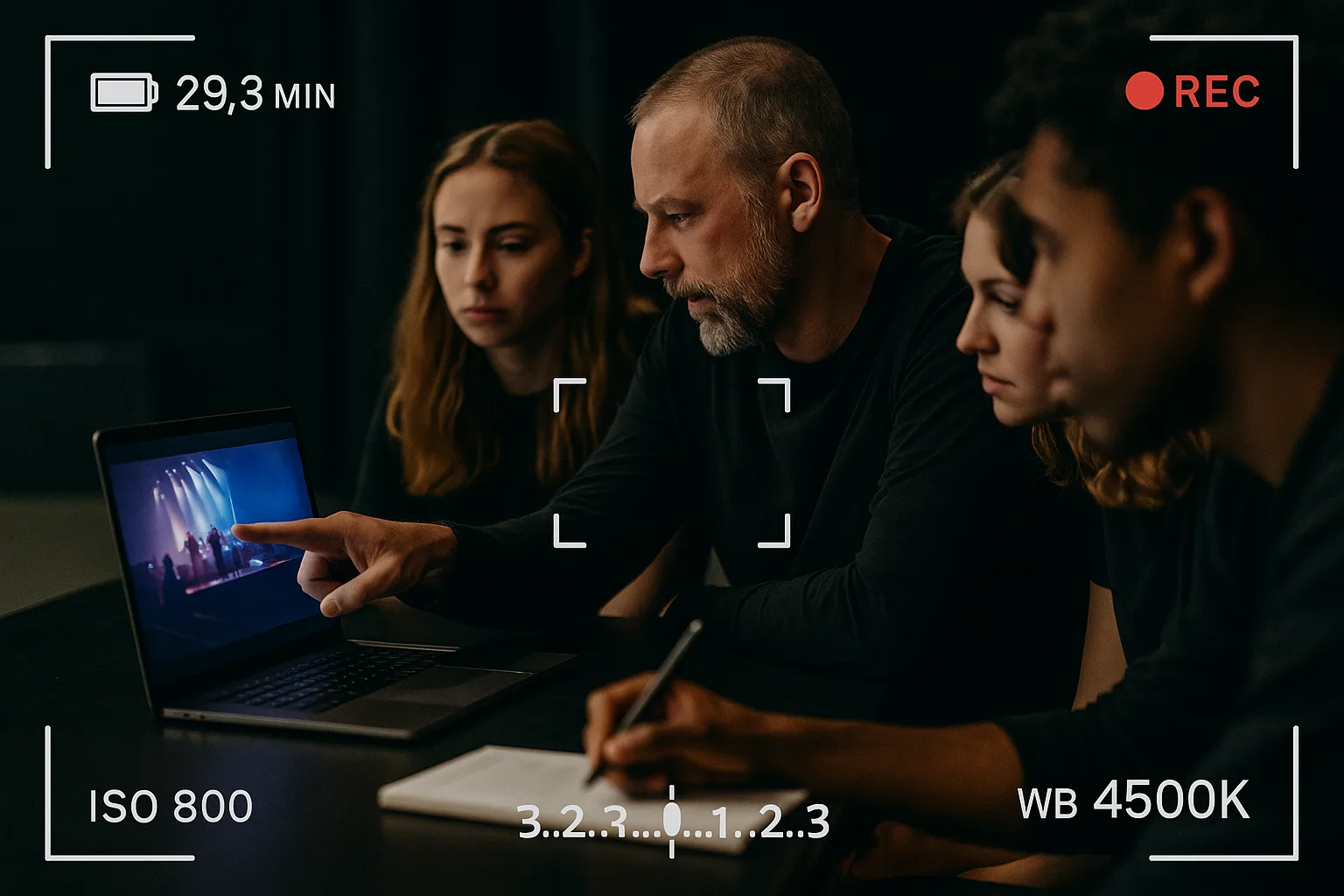
— Technical rider: collect riders early and perform a tech rehearsal and run-through.
Creative production & programming
— Start with a clear creative brief: mood, target audience, brand fit and core moments (open, headline set, climax).
— Local talent: include local artists to lower costs and engage the community.
— Visual identity: consistent branding across stage design, signage, social materials.
— Guest experience: arrival flow, check-in, cloakroom, F&B, merch, photo zones, and clear signage.
— Accessibility: ramps, seating options, hearing assistance for inclusive events.
Budgeting & financial structure (guideline percentages)
— Venue & production (including staging/load-in): 30–40%
— Talent & fees: 20–35%
— Technical (sound, light, video, power): 10–20%
— Marketing & ticketing fees: 8–15%
— Staffing, security, medical: 5–10%
— Contingency (unexpected costs): 5–10%
Adjust according to scale and margin targets. Lock major costs early (venue, headliner) and monitor cashflow.
Marketing for Omsk events — channels that work
— Social networks: VKontakte and Telegram are high-impact in regional Russia; maintain active community groups and event pages.
— Targeted digital ads: VK advertising, Yandex.Direct, and geotargeted social ads.
— Local press & radio: build relationships with regional outlets and campus media.
— Partnerships: collaborate with universities, cultural centers, local businesses and influencers.
— Offline promotion: street posters (where permitted), flyer distributions near transport hubs, and partner venues.
— Ticketing: use trusted platforms with local popularity and clear refund policies. Offer tiered pricing and early-bird promotions.
— Content: short videos, artist interviews, behind-the-scenes clips, and clear calls-to-action for tickets and RSVP.
Sample 8-week production timeline (medium event)
— Week 8: Confirm venue, team, budget; open ticketing.
— Week 7: Book headliners, vendors; submit permits.
— Week 6: Launch marketing push; confirm technical specs.
— Week 5: Finalize floorplan, security plan, medical plan.
— Week 4: Begin intensified PR and paid media; confirm crew schedules.
— Week 2: Technical load-in plan and vendor confirmations.
— Week 1: Full run-through, press briefing, final site checks.
— Event day: early call times, pre-event brief, technical check, post-show debrief.
— Post-event week: reporting, sponsor deliverables, payments, content publishing.
Risk management & safety
— Liaise with emergency services in advance and secure a visible first aid point.
— Have contingency plans for weather (heating, tents, cancellation policies).
— Define evacuation routes, crowd-control barriers and trained security staff.
— Test all power and backup systems; have spare critical equipment on-site.
— COVID-19 & health: follow current local health regulations; prepare communication for attendees.
Day-of-event checklist (quick)
— Team briefing and run sheet distribution.
— Set-up verification: stage, rigging, lights, sound, video, internet.
— Access control and accreditation setup.
— Medical/security posts and radios checked.
— Rider fulfilment (catering, dressing rooms).
— Ticketing/box office final reconciliation.
— Recording and content capture plan active.
— Post-event cleanup and waste management plan.
Post-event: measurement and follow-up
— Deliver sponsor reports and KPI summaries.
— Reconcile accounts and settle