Event Direction in Omsk: Practical Guide for Aspiring and Practicing Event Directors
This guide collects practical advice on event direction, creative production, show technology, and event marketing tailored for Omsk — whether you are launching your first public festival, producing theatre and corporate shows, or scaling an outdoor concert.
—
Quick local orientation — venues and partners to consider
— Major venues (verify availability and specs with each venue):
— Omsk Academic Drama Theatre
— Omsk State Philharmonic
— Omsk State Circus
— Omsk Arena (hockey arena/large indoor events)
— Central squares and parks (city administration permits required) — e.g., Lenin Square, Victory Park
— Creative partners: local theatre schools, music conservatory, university drama clubs and volunteer groups.
— Where to find suppliers and crew: local VK/Telegram communities, classifieds, industry groups; Moscow-based suppliers deliver to Omsk if needed.
— Authorities to notify/contact early: Omsk City Administration (for public space permits), local police, MChS (Emergency Situations), Rospotrebnadzor (health/food), fire safety inspectors.
—
Event concept & creative production — local relevance
— Play to regional identity: Siberian history, Omsk literary/cultural figures, seasonal themes (spring/summer open-air festivals, harsh-weather indoor winter programming).
— Blend formats: short theatrical vignettes in public squares, pop-up installations, live music sets for different demographics.
— Local talent: program emerging Omsk musicians and theatre students alongside headliners to control budgets and build community support.
— Immersive small-scale options: guerrilla performances across multiple city points, “walk & watch” routes through historical districts.
—
Show technology essentials (practical and safety-minded)
— Venue tech riders: always prepare a clear technical rider (power, stage dimensions, rigging points, backline, FOH location).
— Audio:
— Line arrays for audiences >500; point-source or compact PA for <500.
— Ensure adequate monitoring for performers; bring in-ear monitor system for complex productions.
— Hire a competent FOH engineer and local sound techs familiar with the venue.
— Lighting:
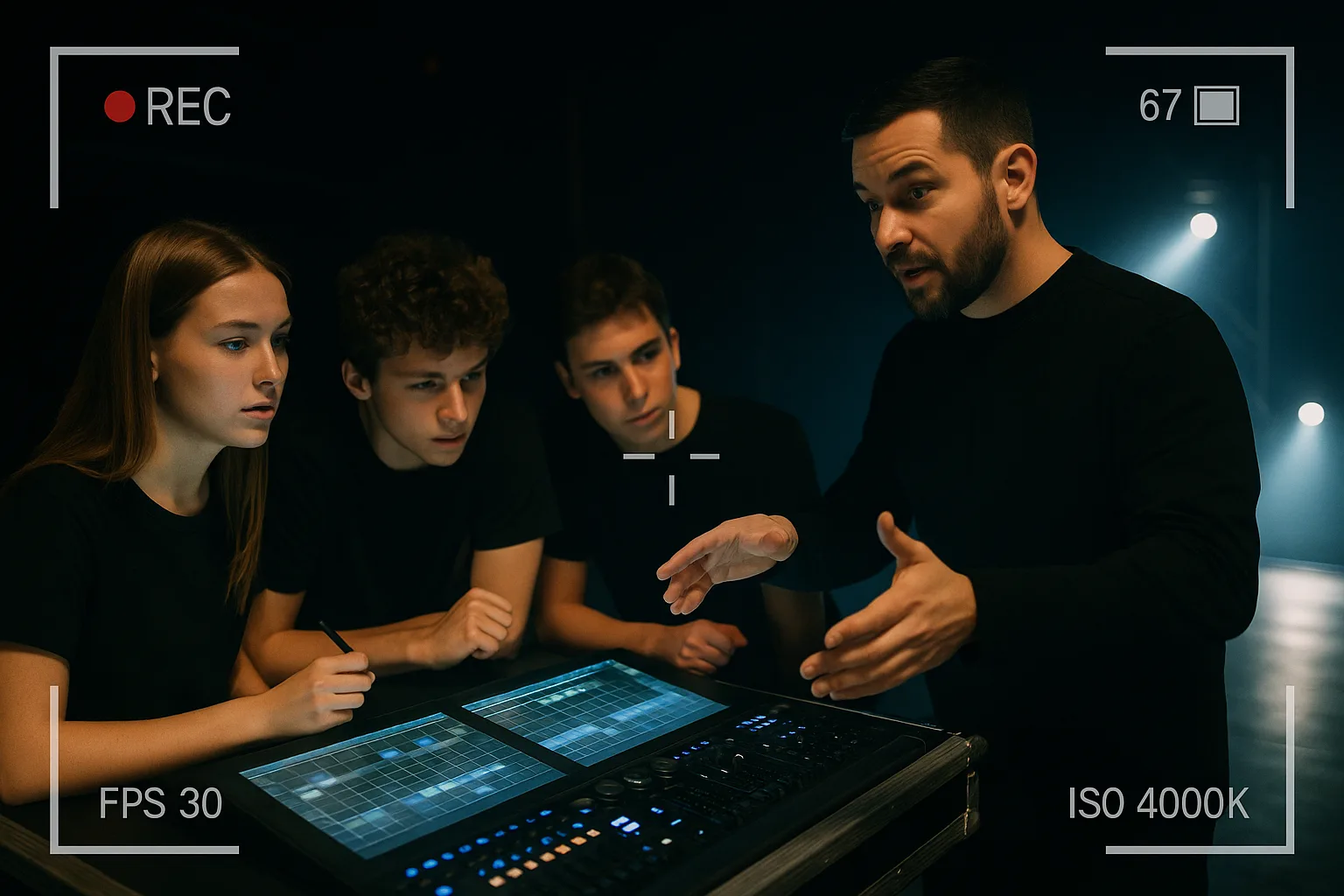
— Programmable LED washes and moving heads for dynamic shows; follow-spot(s) for theatre.
— Plan for DMX distribution and backup controllers.
— Video & streaming:
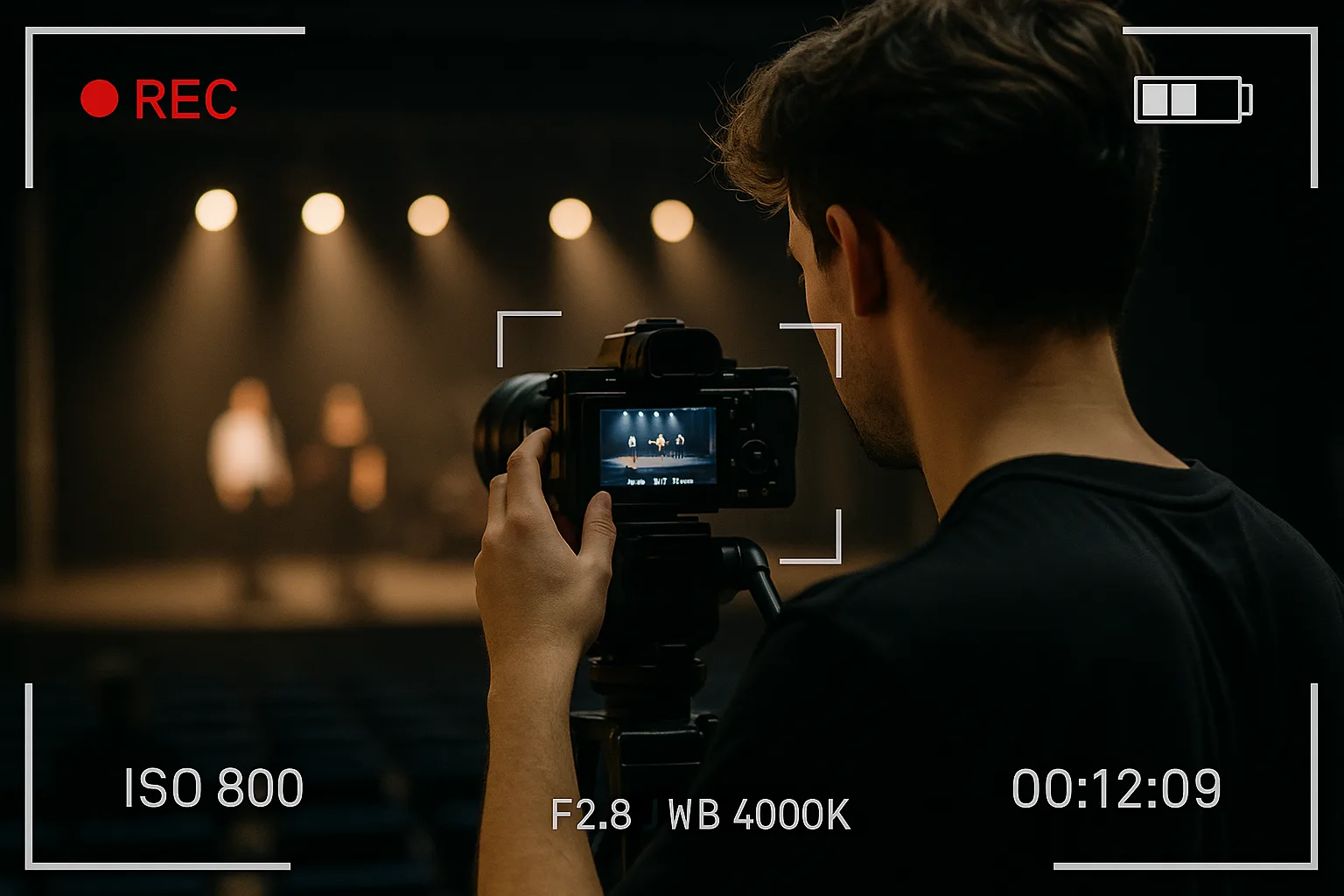
— Multi-camera rigs for concerts; projector/video-mapping for theatrical or site-specific work.
— Use reliable streaming platforms (YouTube, VK Live) and a dual-encoder redundancy (local recording + stream).
— Rigging & load-in:
— Use certified riggers for overhead loads; never rig from unapproved points.
— Confirm stage load capacity, truss specs, and hire local labour for efficient load-in/out.
— Power & backup:
— Pre-calculate equipment load with your tech supplier; arrange generators and distribution with qualified electricians.
— Test all systems in a full tech rehearsal.
— Connectivity:
— Arrange wired internet for ticketing/streaming; use bonded cellular as backup for live stream.
— Safety:
— Coordinate with MChS and local inspectors, have emergency evacuation plan, first-aid crew, and fire extinguishers on site.
—
Production timeline (example, 12-week plan)
— 12 weeks: concept, preliminary budget, secure venue, dates, headline talent.
— 10 weeks: apply for permits, begin sponsorship/outreach, confirm core production team.
— 8 weeks: confirm tech riders, hire suppliers, reserve accommodation/transport.
— 6 weeks: begin marketing push, open ticket sales, finalize staging & lighting plans.
— 4 weeks: confirm hospitality, security, vendors; start rehearsals