Introduction
This practical guide is written for aspiring and practicing event directors in Omsk. It focuses on four pillars: event direction, creative production, show technology, and event marketing—applied to the realities of a Siberian regional centre. Use this as a checklist and process map you can adapt to festivals, corporate events, cultural shows, and open‑air projects across Omsk.
Local context to plan for
— Primary language: *Russian* — all public materials, signage and staff briefings should be in Russian; consider English only for international guests.
— Climate: harsh winters, short daylight in late autumn/winter — plan for heating, covered/load-in windows, and weatherproofed production.
— Transport hubs: Omsk Tsentralny railway station and Omsk Airport — useful for artist and equipment logistics.
— Venues: municipal theatres, university halls, exhibition centres and parks — each has different technical limits and permit processes.
— Local networks: local media, municipal culture department, universities and student crews are strong partners.
Concept & pre-production (Start 8–12+ weeks before)
— Define objective: revenue? brand awareness? community engagement? Artistic impact?
— Audience profile: demographics, local habits, travel radius, ticket price sensitivity.
— Key deliverables: creative brief, technical rider, marketing brief, budget.
— Budget: itemize production (stage, tech, crew), venue, marketing, permits, hospitality, contingency (10–15%).
— Timeline: establish milestones—contracts, permits, booking talent, tech rehearsals, ticket launch.
Sample 12-week milestone schedule:
— Week 12: concept, budget, venue hold, draft marketing plan
— Week 10: confirm headliners, production suppliers, start permits
— Week 8: ticketing live, media partners secured, technical planning
— Week 6: final set and run-of-show, order site rentals
— Week 4: cue-to-cue plans, staff rota, safety briefing
— Week 1–2: load-in, fit-up, rehearsals
— Show day: run show, lead debrief
— +1 week: post-event analysis, financial close
Creative production & stage direction
— Story-first approach: create a strong narrative for the audience flow—entrance, main program, intermissions, exits.
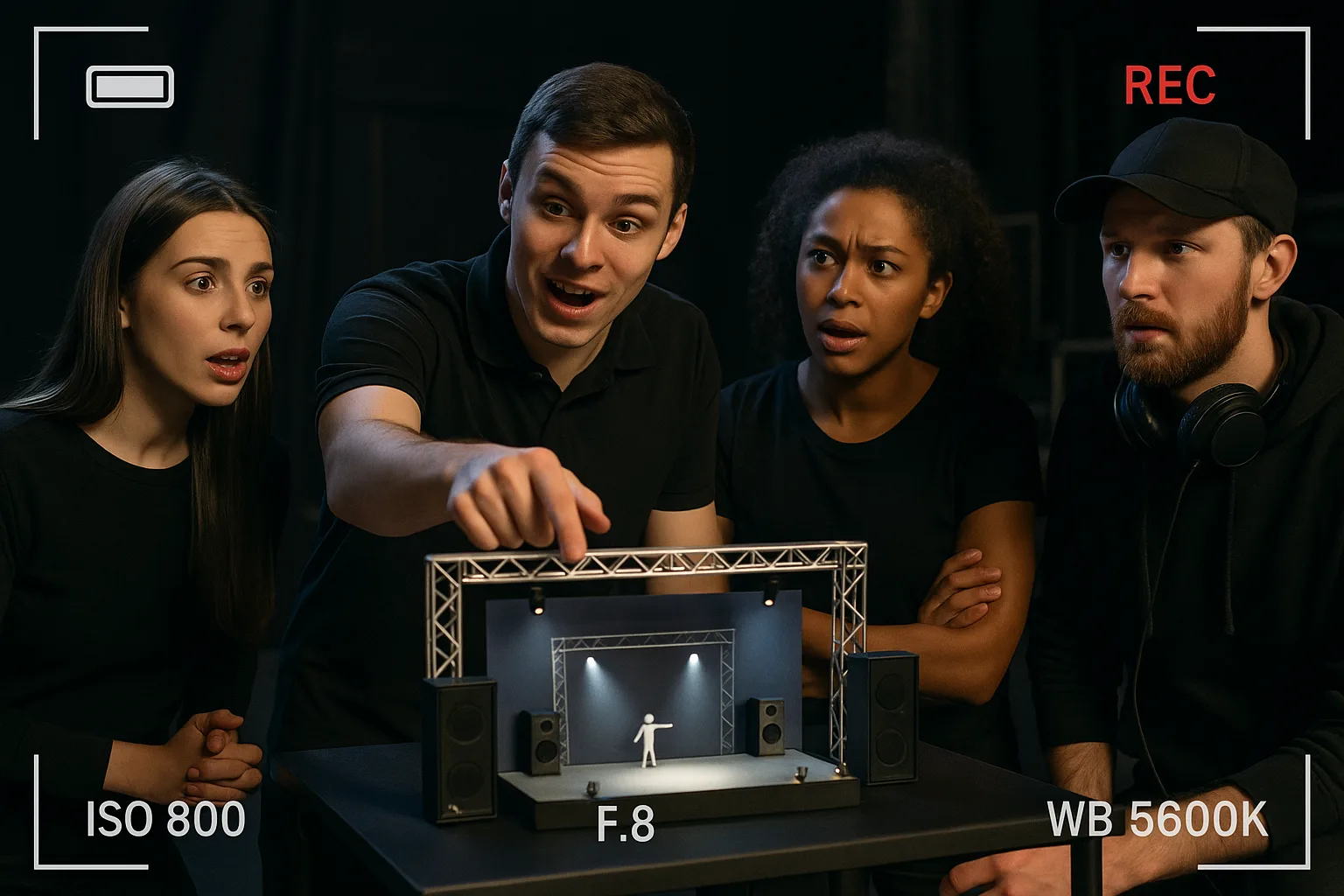
— Stage design: adapt to the venue’s load-in constraints and sightlines; design modular stages for quick turnover between sets.
— Visual identity: consistent branding across tickets, stage graphics, social media and onsite signage.
— Programming balance: mix local talent (builds goodwill) with headline acts (drives sales).
— Accessibility: clear paths, seating for people with disabilities, accessible toilets and assistance points.
Show technology — practical, resilient solutions
— Audio:
— Use properly sized line-array or point-source systems; prioritize clear coverage over sheer SPL.
— Deploy a monitor strategy for performers and a separate front-of-house mix engineer.
— Dante for multichannel digital audio helps reduce long analog snake runs.
— Lighting:
— Focus lighting design on visibility and mood transitions; prioritize key lights and followspots for small crews.
— DMX over ethernet (Art-Net) for complex rigs; map channels early.
— Video:
— LED walls or projection depending on ambient light; in winter, plan for condensation and cold‑rating of equipment.
— Prepare multiple input playlists and playback redundancy.
— Power & rigging:
— Assess venue power capacity; secure generators and soft starters for sensitive gear.
— Confirm rigging points and load capacities earlier than you think—municipal venues can have strict limits.
— Communications & show control:
— Intercom (wired and wireless), cue light or visual pager for silent cues.
— Single document: master running order with timing down to seconds.
— Redundancy:
— Spare mics, DI boxes, power cables, network switches, and a backup playback laptop.
— Cold-weather tech tips:
— Keep batteries warm until use; warm AV gear slowly to avoid condensation.
— Allocate warming tents for sensitive equipment during outdoor events.
Operations, permits & safety (must-haves for Omsk)
— Permits: contact the municipal culture/administration early for public-space permissions, noise limits, and street closures.
— Licensing: alcohol permits, public performance rights, and vendor permits—confirm processing times.
— Security & medical: licensed security, clear evacuation routes, on-site first-aid trained staff or ambulance standby for large crowds.
— Insurance: event liability, equipment insurance and artist cancellation cover where needed.
— Neighbourhood relations: notify nearby residents and businesses; provide contact info for complaints.
Staffing & rehearsals
— Core roles: Event Director (you), Production Manager, Technical Director, FOH Engineer, LD (lighting), Stage Manager (show caller), Riggers, Security Lead, Front-of-House Manager, Marketing Lead.
— Use local students and freelancers for crew—pair with experienced supervisors.
— Rehearsals: schedule tech rehearsal and at least one cue-to-cue; simulate worst-case scenarios (power loss, late artist).
— Briefings: daily production meetings during fit-up and a pre-show safety briefing.
Marketing & ticketing for Omsk audiences
— Channels that work locally:
— Local media: newspapers, radio and regional TV (higher reach for older demographics).
— Social networks: VK, Instagram—use targeted geo-ads for Omsk and surrounding oblast.
— Community channels: university groups, cultural centres, corporate partners.
— Messaging:
— Lead with the emotional hook—what the audience will *experience*.
— Use localized hooks: local artists, community impact, timing around city events or holidays.
— Ticket strategy:
— Early bird, group discounts, student pricing (partner with Omsk State University), VIP/upgrades for sponsors.
— Use a reliable online ticketing partner and ensure box-office staff can print and handle cash on site.
— Partnerships:
— Local businesses for cross-promotions, hotels for artist and audience packages, transport companies for shuttle services.
— Measure:
— Track traffic sources, conversion rates, promo code usage, attendance