Introduction
A practical, boots-on-the-ground guide for aspiring and practicing event directors in Omsk. This article blends creative production, show technology, and event marketing with Omsk-specific realities—seasonality, local venues, audience habits, and supplier networks—so you can plan and deliver memorable events that work on schedule and on budget.
Omsk context to keep front of mind
— Climate: long, cold winters and short summers — outdoor events require robust weather contingency (heating, covered stages, snow removal).
— Venues: mix of historic theatres (Omsk Drama Theatre), concert halls, exhibition centres, sports arenas and public squares—each with different technical limitations and permit regimes.
— Audience & channels: VK and Telegram remain strong social platforms locally; Instagram usage is growing among younger audiences; Yandex advertising and local media (radio, regional TV, city portals) are effective for reach.
— Talent & suppliers: good pool of technicians and performers from local universities and creative schools—build long-term relationships with rental houses and freelance crews.
Pre-production: concept, scope, and permissions
1. Define the creative brief
— Goal (brand awareness, ticket revenue, community engagement)
— Target audience segments in Omsk
— Core message and emotional arc
2. Budget and commercial model
— Line items: venue, AV, staging, talent, permits, production staff, marketing, contingencies (10–20%)
— Sponsorship & in-kind barter (local businesses, energy companies, breweries, cultural funds)
3. Venue selection and technical audit
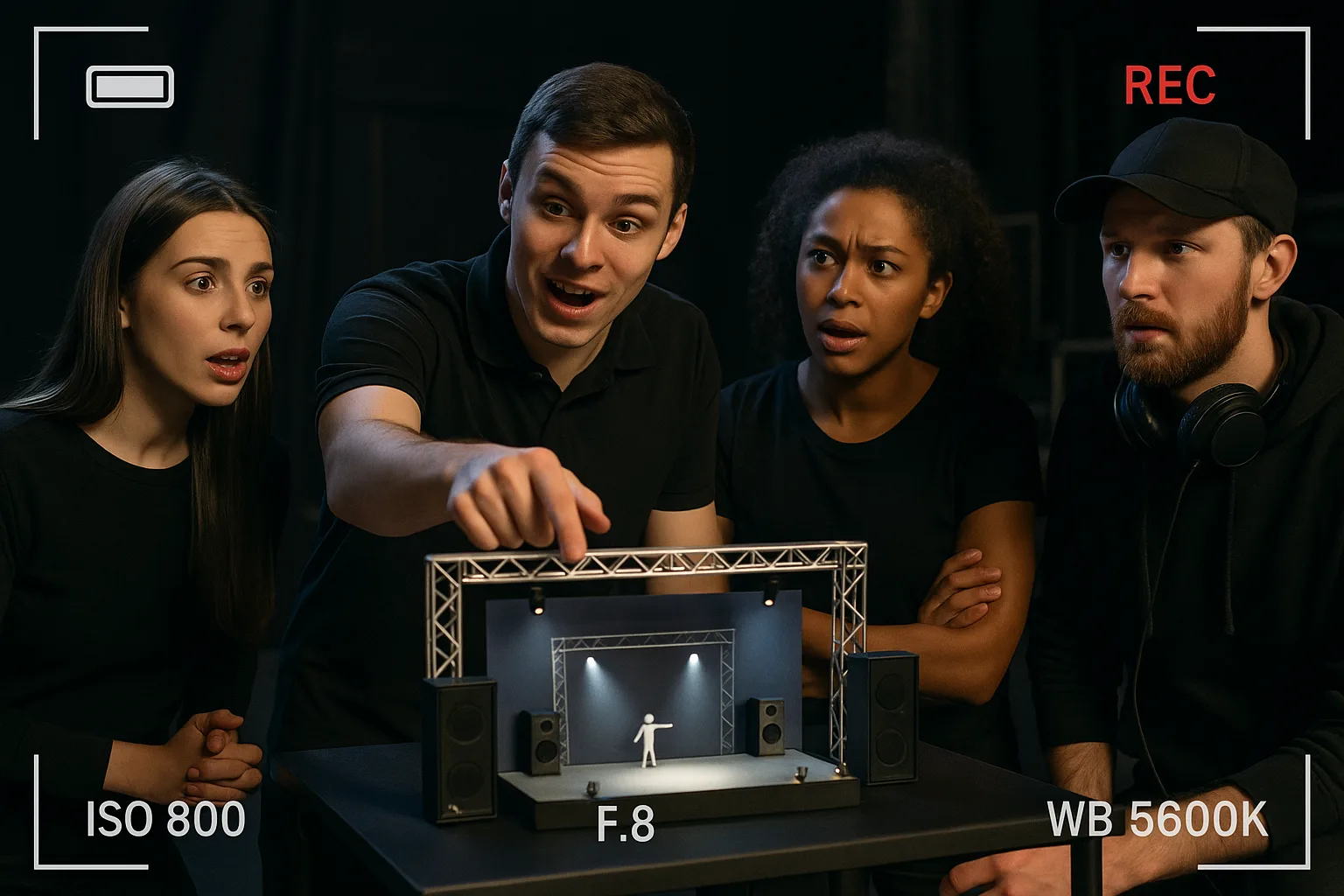
— Visit in person; measure stage, load-in access, power, rigging points, backstage space.
— Check municipal noise/time restrictions and capacity certificates.
4. Permits & municipal coordination
— Apply early for public-space use, noise permits, alcohol/service licenses, and safety approvals.
— Coordinate with local police, fire inspectors, and municipal services—lead times vary.
5. Risk & contingency planning
— Weather plan for outdoor events, backup indoor site, generator plan, inclement-weather ticket policy.
Creative production: programming and flow
— Programming: craft a clear beginning–middle–end; balance headline talent with local acts.
— Show rundown: build a second-accurate cue sheet for lights, sound, video, stage moves.
— Rehearsals: schedule technical rehearsals with full stage load, ideally day-of.
— Audience experience: arrival, queuing, signage, cloakroom, F&B flow—Omsk audiences value comfort in cold months (heating, warm F&B).
— Accessibility & inclusiveness: ramps, seating options, clear communications for seniors and families.
Show technology: practical tech choices and checks
— Sound
— Match PA to venue size and acoustics; avoid over-speccing for reverberant halls.
— Hire experienced FOH and monitor engineers; plan soundcheck windows.
— Respect local noise limits; have a dB meter and plan for curfews.
— Lighting & video
— LED washes and moving heads for flexible programming; LED walls for daytime/outdoor visibility.
— Pre-program cues and have a backup computer for playback systems.
— Staging & rigging
— Use certified trusses and hire certified riggers; load calculations are mandatory.
— Check floor loading and stage anchoring for Siberian winds at outdoor sites.
— Power & backup
— Confirm three-phase power availability; most venues require single- or three-phase verification.
— Service generator(s) for outdoor events and critical systems; test under load.
— Comms & connectivity
— Use reliable radio comms and backup channels; plan for spotty mobile internet—arrange temporary wired lines or dedicated LTE/5G routers for streaming and cashless payments.
— Special effects
— Fog/haze, pyro, confetti need permits and vendor certification; check indoor smoke detector disable procedures with fire department.
Event marketing for Omsk audiences
1. Positioning & messaging
— Localize copy (mention Omsk, neighborhoods, landmarks).
— Use storytelling: why this event matters to locals.
2. Channel mix
— VK groups and targeted ads; Telegram channels for niche communities; Instagram for visual teasers.
— Yandex.Direct for intent-based traffic; Google Ads for wider reach.
— Local media: regional radio, TV spots, city portals and event calendars (Afisha-style listings), and community boards.
3. Partnerships
— Partner with universities, cultural centres, cafes, and transport providers for cross-promotion.
— Local influencers and micro-influencers drive strong conversion among younger demographics.
4. Ticketing & pricing
— Use reliable Russian ticketing platforms (e.g., Kassir-style platforms and local sellers); offer tiered pricing and early-bird discounts.
— Consider group/family packages and promo codes for community partners.
5. On-site conversion
— Clear signposting to social channels, photo opportunities, and hashtags. Encourage UGC with incentives.
6. Measurement
— Track KPIs: ticket sales, conversion rates, CPL, social engagement, press mentions.
Operations, safety and legal essentials
— Crowd management: trained stewards, clear entry/exit paths, visible info points.
— Medical and emergency: contract EMS standby for large events; designated evacuation plan.
— Contracts & riders: written agreements for talent, vendors, venues, and subcontractors including cancellation clauses and force majeure.
— Insurance: event liability insurance covering public liability and equipment.
Team roles (lean core team)
— Event Director / Producer — overall vision, client/sponsor interface
— Technical Producer — AV, rigging, power, comms
— Stage Manager — cue control, rehearsals, stage safety
— Marketing Manager — pre-event promotion and ticketing
— Operations Manager — logistics, vendors, security
— FOH Manager — audience experience, ticketing, info
— Volunteers/Stewards — venue assistance, crowd flow
8-week sample timeline (for mid-size event)
— Week 8: Confirm concept, budget, venue hold. Begin sponsor outreach.
— Week 7: Book headline talent, technical vendors. Start permit applications.
— Week 6: Finalize creative treatment, preliminary marketing plan.
— Week 5: Launch ticket sales, ramp up advertising, finalize production schedule.
— Week 4: Technical drawings, power plan, order rentals.
— Week 3: Confirm crew, security, medical, finalize run-of-show.
— Week 2: Full tech run-through with vendors; final marketing push.
— Week 1: On-site setup begins, final safety checks, team briefing.
— Event day: execute cue-to-cue, real-time reporting, guest services.
— +1 day post-event: strike and de