Introduction
This guide gives pragmatic, localised advice for event directors in Omsk — from creative concept to show tech, permits and marketing. It’s aimed at aspiring and practicing directors who need checklists, vendor/crew workflows, and marketing tactics that work in a Siberian regional market.
Understand your audience and place
— Research local tastes: Omsk audiences appreciate a mix of cultural programming (theatre, classical, folk) and accessible entertainment (pop concerts, family shows, festivals).
— Consider seasonality: harsh winters push events indoors from November–March; summer allows street events, city festivals and park activations.
— Choose the right venue type: philharmonic/theatre halls for seated, climate-controlled shows; sports arenas and exhibition centres for large productions; cafes, clubs and outdoor parks for intimate or experimental formats.
Creative production: concept to program
— Start with a clear brief: objective, target demographic, tone, duration, must-haves (speakers, acts, AV).
— Local content matters: include regional artists, cultural references or collaborations with Omsk theatres/universities to boost local buy-in.
— Program pacing: openers that set tone, 20–30 minute blocks for performances/speakers, headline at prime time.
— Use storytelling across touchpoints: pre-event content, scenography, lighting cues and social media narratives should reinforce the same creative idea.
— Budget creative elements early: scenography and rights (music/licences) can rapidly consume budget if added late.
Show technology essentials
— Core systems to plan for:
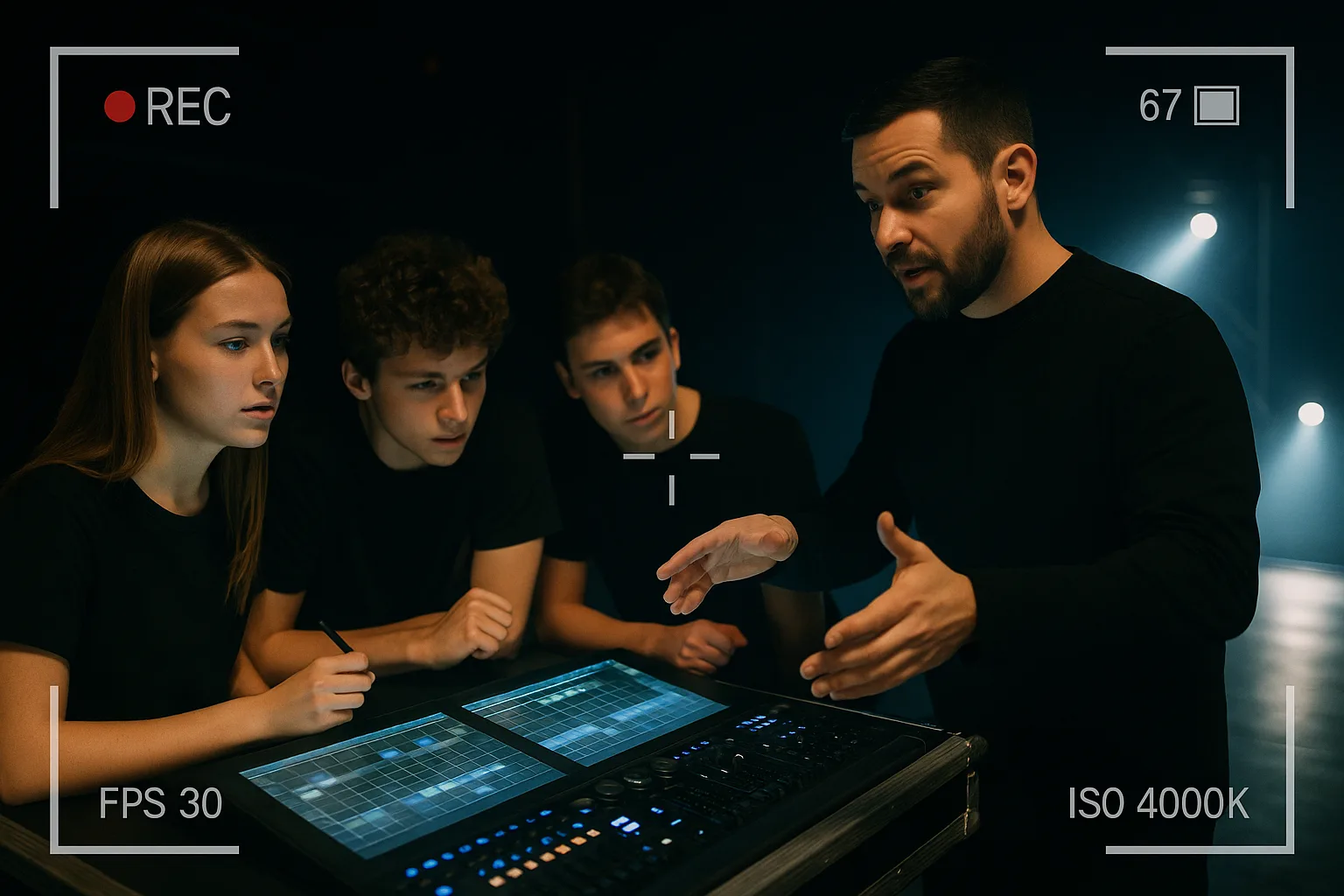
— Lighting: LED fixtures, moving heads, simple wash for smaller halls; rigging points and DMX controllers.
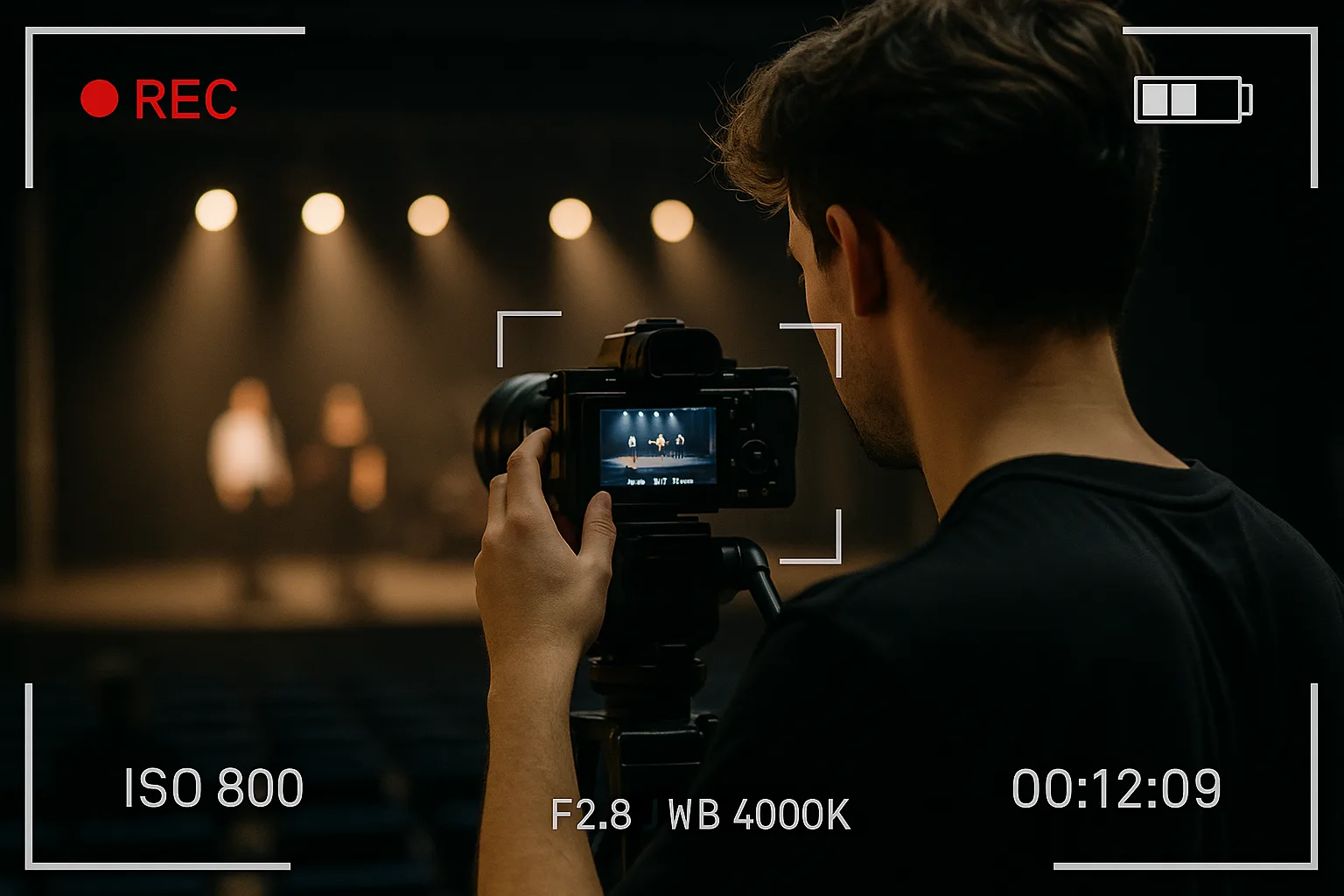
— Video: LED screens or projection (consider throw distance and ambient light). Use Media Servers for content control.
— Sound: line-array or point-source depending on venue. Always specify FOH mixing position and sightlines.
— Networking: Dante or AVB for audio over IP; robust Wi‑Fi only for non-critical systems—use wired where possible.
— Wireless: professional UHF/2.4GHz mic systems and in-ear monitors (IEMs). Have spares and frequency coordination.
— Power & redundancy: check local power capacity, plan generators for outdoor events or essential backups.
— Safety and rigging: confirm load ratings, use certified riggers, and get venue approval for flown elements.
— Test and run: schedule a technical rehearsal (full run if possible) and a dedicated tech check for each act.
Logistics, permits and local regulations
— Permits and approvals: coordinate with Omsk city administration for outdoor events; street closures and amplified sound may require paperwork. Get permits well ahead.
— Emergency services: notify local police, fire and medical services for larger events; have first aid on site.
— Noise and curfew: confirm local noise ordinances and curfews to avoid fines and cancellations.
— Transport and access: factor winter road conditions, parking, public transport timetables and accessibility for guests and equipment.
— Insurance: event liability, equipment insurance and coverage for cancellations (weather, technical failure) are strongly recommended.
Teaming up locally
— Build a reliable local crew pool: lighting techs, sound engineers, riggers, stage managers and ushers. Tap into Omsk State University, theatre schools and community groups for trainees/volunteers.
— Preferred suppliers: vet local AV/staging companies for equipment condition, spare inventories and response times — test gear before major contracts.
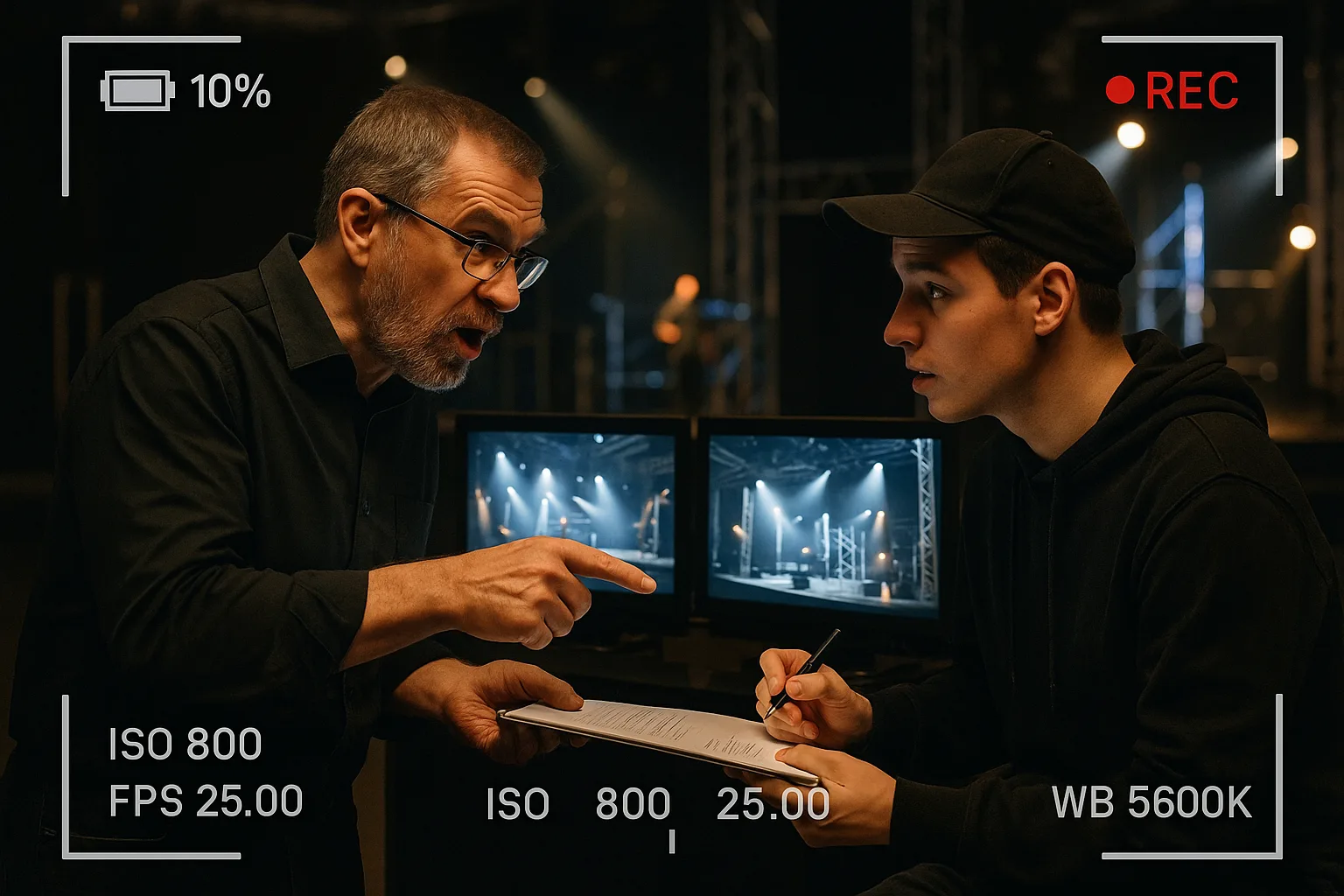
— Clear roles and comms: designate stage manager, technical director, production manager and marketing lead. Use walkie/talkies and a single run-sheet to coordinate.
Marketing and ticketing for Omsk audiences
— Channels that work regionally:
— VKontakte and Telegram — primary social platforms for regional engagement.
— Instagram — visual storytelling and influencer promotion.
— Odnoklassniki — older demographics.
— Local radio, TV and print — for broader reach on major events.
— Outdoor posters near universities, cultural centres and transport hubs.
— Digital ads: use targeted campaigns on VK and Yandex.Direct with geo-targeting for Omsk and nearby cities.
— Partnerships: cross-promote with local businesses (cafes, malls), cultural institutions and municipal departments.
— Ticketing: choose a local-friendly platform that supports cash pickup and QR‑codes; offer early-bird and group discounts.
— Content plan: teaser videos, artist interviews, behind-the-scenes and clear CTAs. Coordinate press releases with local media contacts 3–4 weeks prior.
Budgeting, sponsorship and revenue streams
— Typical line items: venue hire, AV/staging, artist fees, crew, permits, marketing, insurance, production design, contingencies (10–15%).
— Sell value to sponsors: branding zones, naming rights, hospitality packages and product placement. Present expected reach and demographic data.
— Ancillary revenue: merchandise, F&B concessions, masterclasses or VIP meet-and-greets.
Risk management and contingency planning
— Create a risk register: technical failure, artist no-show, weather, transport strikes. Assign owners and mitigation steps.
— Backup plans: spare consoles, mics and cables; shortlist alternate artists or hosts; indoor backup for outdoor events if possible.
— Communication plan for crises: rapid statements for social media, staff lines for updates and refund policies.
Rehearsals, run-sheets and showcalling
— Produce a detailed show script: cues, timings, lighting looks, camera or video cues, scene changes and mic assignments.
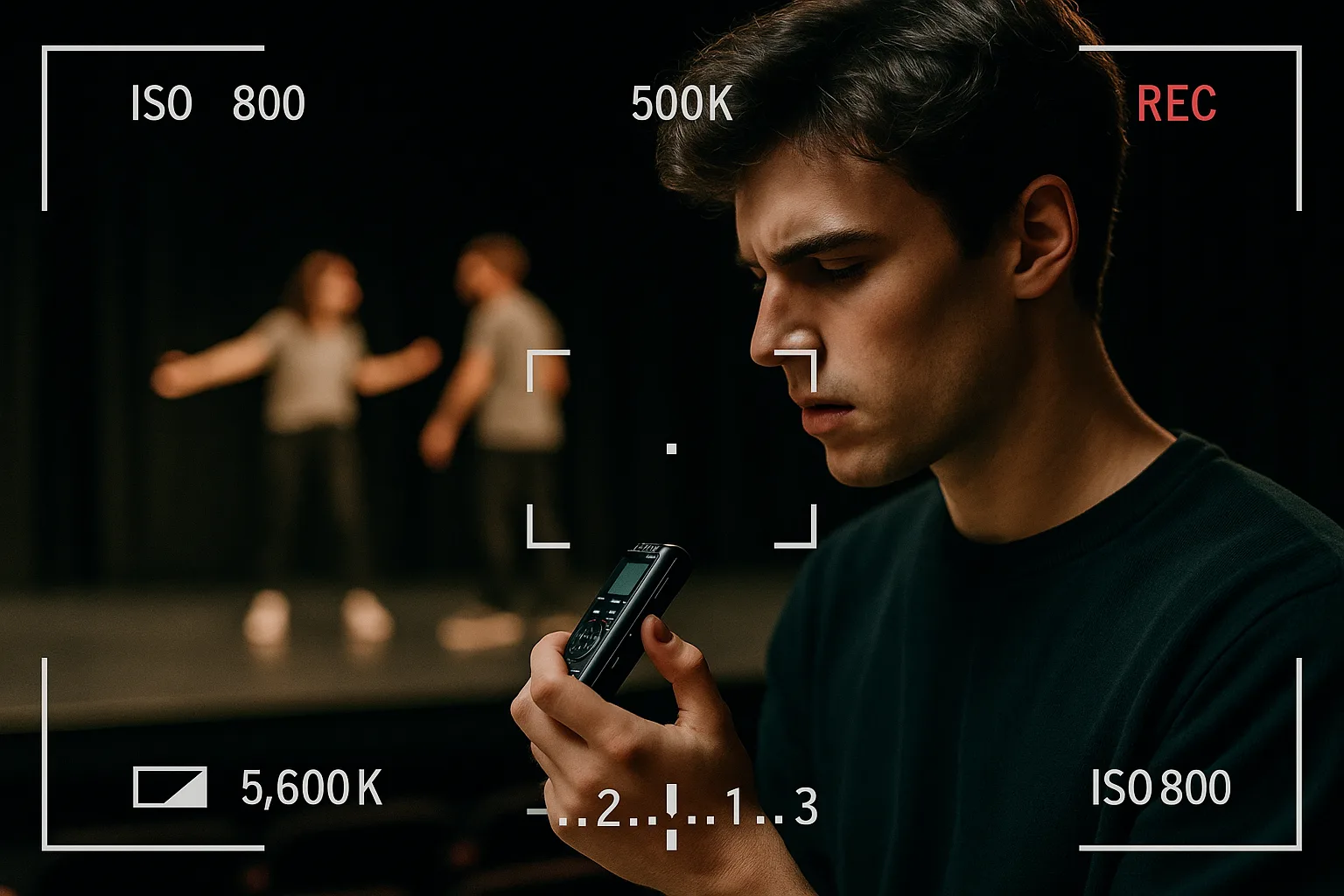
— Cue-to-cue rehearsal is efficient: run transition points and tech cues rather than full length if time is limited.
— Stage manager: central point for cueing and safety calls. Use visual cue lists and confirmations (e.g., “Sound ready?” “Go.”).
— Post-show debrief: collect lessons, crew feedback and audience metrics.
Sample 6-week timeline (scalable)
— Week 6: Define brief, budget, venue options, key talent, initial permits.
— Week 5: Confirm venue and headliners; draft marketing plan; start sponsor outreach.
— Week 4: Lock technical spec and suppliers; open ticket sales with early bird.
— Week 3: Ramp up PR, secure permits, confirm crew and transport.
— Week 2: Finalise scripts, run-sheets and rehearsals schedule; print signage.
— Week 1: Technical load-in, full tech rehearsal, final marketing push.
— Event day: arrive early, pre-flight checklist, execute run-sheet, post-show teardown.
— +48–72 hours: publish highlights, gather analytics and send thank-you