Introduction
Whether you’re staging a corporate conference, a cultural festival on the Irtysh embankment, or an immersive brand experience in Omsk, successful events combine clear direction, creative production, reliable show technology, and smart marketing. This guide gives actionable frameworks and local-minded advice for aspiring and practicing event directors operating in Omsk, Russia.
1. Start with a Clear Direction
— Define the event’s purpose: education, revenue, brand awareness, community building.
— Identify primary KPIs: ticket sales, attendance, leads, media mentions, sponsor satisfaction.
— Know your audience in Omsk: demographics, commuting habits, preferred social platforms (VK, Instagram, Telegram), language mix (Russian primary).
2. Realistic Timeline & Budgeting
— Typical timelines:
— Small events (up to 300 people): 6–8 weeks.
— Medium events (300–1,500): 3–6 months.
— Large festivals/conferences: 6–12+ months.
— Budget allocation (rule of thumb):
— Production & tech: 35–45%
— Venue & logistics: 15–20%
— Talent & creative: 10–20%
— Marketing & sales: 10–15%
— Contingency/permits/insurance: 5–10%
3. Creative Production: Make It Local and Memorable
— Local flavor: weave Omsk’s culture, history, or riverfront landscapes into creative concepts to boost local resonance.
— Programming mix: combine headline acts with regional talent to control costs and support community buy-in.
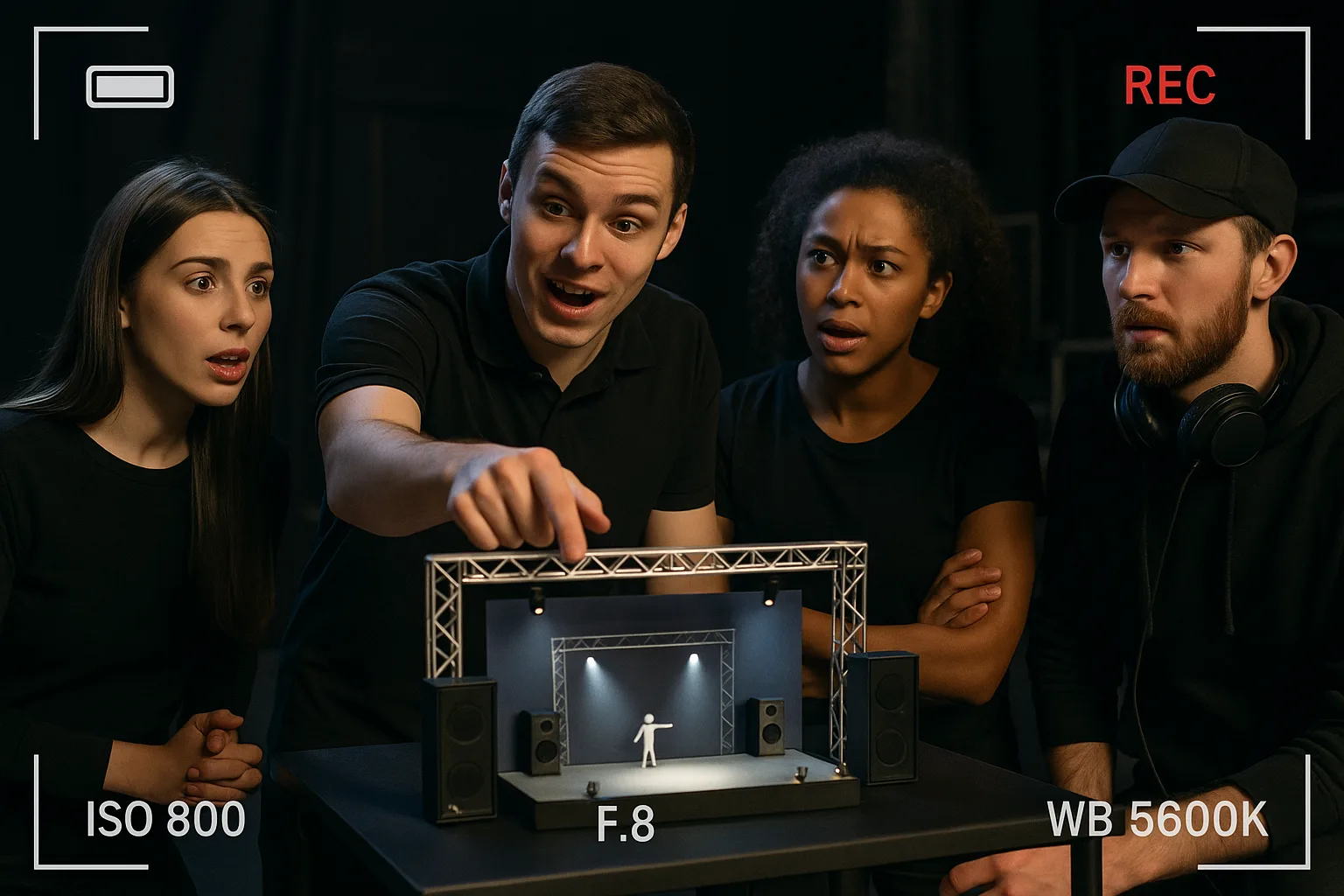
— Stagecraft: choose formats (panel, performance, immersive) that suit venue sightlines and audience flow.
— Audience experience: plan arrival, registration, F&B, circulation, and post-event touchpoints for a cohesive journey.
4. Show Technology Essentials
— Sound:
— Match the PA to audience size and venue acoustics.
— Bring line arrays for large outdoor/indoor spaces; pockets of delay speakers for long halls.
— Always include spare microphones, DI boxes, and multicores.
— Lighting:
— Use a mix of washes, key fixtures, and accents; LED fixtures reduce power needs and heat.
— Add moving heads or profiles for drama; uplighting for ambience.
— Video & Projection:
— Consider LED screens for daylight/outdoor clarity.
— Have a media server for mapping, show control, and content playback.
— Rigging & Power:
— Confirm load capacities of venue rigging points and floors.
— Plan power distribution and backup generators for outdoor or unreliable-supply sites.
— Networking & Streaming:
— Ensure reliable internet (dedicated wired lines where possible) for ticketing, cashless payments, and livestreams.
— Use redundant encoder setups for critical streams.
— Crew & Call Sheets:
— Produce detailed tech riders, run-of-show, and cue sheets.
— Run a technical rehearsal (full tech) at least 24 hours before show.
5. Permits, Safety & Local Regulations
— Engage local authorities early:
— City administration, police, fire service, sanitary inspectors, and transport authorities for street closures or large gatherings.
— Insurance:
— Public liability and equipment insurance are mandatory for large events.
— Health & Accessibility:
— Provide first aid stations, accessible entrances, and clear evacuation routes.
— Weather contingency:
— For outdoor events on the Irtysh embankment, prepare for sudden temperature changes and have covered/indoor fallback plans.
6. Event Marketing That Works in Omsk
— Digital mix:
— Use VK and Instagram for local reach; Telegram channels and regional Facebook groups can amplify messages.
— Targeted ads: geo-target Omsk and neighboring districts; A/B test creatives.
— Community partnerships:
— Collaborate with local media, cultural institutions, universities, and influencers to reach niche audiences.
— Content strategy:
— Lead with value: speaker highlights, behind-the-scenes production videos, and participant testimonials.
— Create localized hashtags and encourage UGC (photo contests, early-bird promos).
— Sales & Pricing:
— Early-bird tiered pricing, group discounts for local businesses, and promo codes for media partners.
— Offer both online ticketing and on-site cashless options; ensure payment terminals and mobile coverage are tested.
— PR & Press:
— Prepare a one-page press kit in Russian with event facts, imagery, and spokesperson contact details.
— Invite local journalists and bloggers to previews.
7. Build a Reliable Local Supply Chain
— Vendors and crew:
— Compile a roster of trusted local AV companies, set-builders, caterers, riggers, and security firms.
— Work with local staffing agencies and hospitality schools for temporary crew.
— Contracts:
— Use clear tech riders, scope-of-work documents, and payment milestones.
— Sustainability:
— Prioritize reusable sets, local suppliers, and waste-reduction plans to appeal to sponsors and attendees.
8. Partnerships & Sponsorships
— Sponsor packages:
— Offer tiered visibility (stage naming, VIP areas, branded content, product integration).
— Provide measurable deliverables: impressions, lead captures, on-site activations.
— Local business synergy:
— Cross-promote with hotels, restaurants, and transport services to create packages for out-of-town attendees.
9. Measurement & Post-Event Follow-up
— Collect data:
— Registration analytics, ticket scan data, dwell times, NPS surveys, social metrics.
— Debrief:
— Conduct a post-mortem with stakeholders and suppliers within two weeks.
— Document lessons learned and update your vendor and risk lists.
— Content recycling:
— Turn event footage and attendee testimonials into ongoing marketing assets.
10. Simple Checklists (Quick Reference)
— 12+ weeks: Define goals, budget, venue shortlist, core team, high-level program.
— 8–12 weeks: Confirm venue, key suppliers, sponsorships, marketing plan.
— 4–8 weeks: Finalize tech riders, permits, ticketing, promo campaign launch.
— 1–2 weeks: Production load-in plan, technical rehearsal, staff briefing, final marketing push.
— Day-of: run-of-show, communications plan (radio/Telegram), emergency contacts, checklists for each department.
Local Tips for Omsk
— Seasonality matters: winters are severe—avoid outdoor events late fall through early spring unless fully winterized. Summer (June–August) offers the best outdoor windows.
— Use the Irtysh embankment and historic districts thoughtfully: they’re great for atmospheric events, but require early permits and logistics planning for power, waste, and crowd control.
— Tap into the city’s creative community: local theaters, artisans, and musical acts appreciate collaborations and often bring loyal audiences.
Closing
Event directing in Omsk blends universal production disciplines with unique local considerations: climate, local media channels, and community ties. Focus on solid pre-production, a dependable tech plan, and marketing that speaks to local sensibilities. Keep documenting and refining your processes—each event will sharpen your judgement as a director.
If you want, I can:
— Draft a 12-week production timeline specific to your event type.
— Create a technical rider checklist tailored to