Introduction
Omsk is a dynamic regional hub with passionate audiences, a rich cultural scene and strong civic infrastructure. Whether you’re staging corporate conferences, city festivals, theatrical productions or product launches, success in Omsk depends on blending strong creative direction, robust show technology and savvy local marketing. This guide gives practical, actionable advice for aspiring and practicing event directors working in Omsk.
1. Event direction: plan with local context in mind
— Define the objective and KPIs up front: attendance, ticket revenue, brand impressions, media mentions, or community impact.
— Know your audience: Omsk audiences tend to value local cultural references, clear information in Russian, and reasonable pricing. Segment: families, students (large student base), business community, retirees.
— Timeline and milestones:
— 6–12 months: secure venue, permits, headline talent, sponsor conversations.
— 3 months: marketing ramp, ticketing open, tech rider finalized.
— 1 month: run-throughs scheduled, safety and logistics confirmed.
— 1 week/day: load-in, rehearsals, show calls, post-show strike.
— Staffing: hire a local production manager/runner familiar with Omsk logistics to avoid costly mistakes. Use clear role sheets (PM, stage manager, FOH, lighting, audio, rigger, safety officer).
2. Creative production: concept to delivery
— Start with a strong creative brief: audience, mood, duration, must-haves, budget ceiling.
— Localise content: incorporate regional artists, dialect references, or Omsk visual motifs to boost local engagement and press interest.
— Talent sourcing: Omsk has excellent regional theaters, music schools and artists. Collaborate with local choreographers, bands, and technical crews for authenticity and cost efficiency.
— Budgeting: allocate roughly:
— 25–35% production & technical (rigging, audio, lighting)
— 20–30% talent & creative fees
— 15–25% marketing & ticketing
— 10% operations & contingency
— Rehearsal discipline: lock cues two weeks before tech week; run full dress rehearsals with FOH and security involved.
3. Show technology: practical technical guidance
— Venues & rigging: verify rigging points and load limits early. Many Omsk theaters and halls have fixed infrastructure but smaller community spaces may need distributed truss and ground-supported structures.
— Power: do a power audit. Specify total wattage for lights, audio, video, and hospitality. Plan for generators if venue supply is unstable—especially in winter when grid stress is possible.
— Audio:
— Target SPL guidelines: 85–95 dB(A) for concerts depending on audience and venue; check local regulations.
— Use line-array or distributed PA systems for arenas; cardioid monitors for stage to reduce bleed.
— Always bring DI boxes, backup mics and essential spares.
— Lighting & video:
— Use LED fixtures to reduce power and heat; be mindful that extreme cold affects LED driver performance—allow warm-up time.
— Video playback should be frame-locked (genlock) for multi-screen setups; bring spare media servers.
— Special effects:
— Fog/haze machines behave differently in cold and low-humidity environments—test in-situ.
— Flame effects require formal approvals and certified operators.
— Communications & show control:
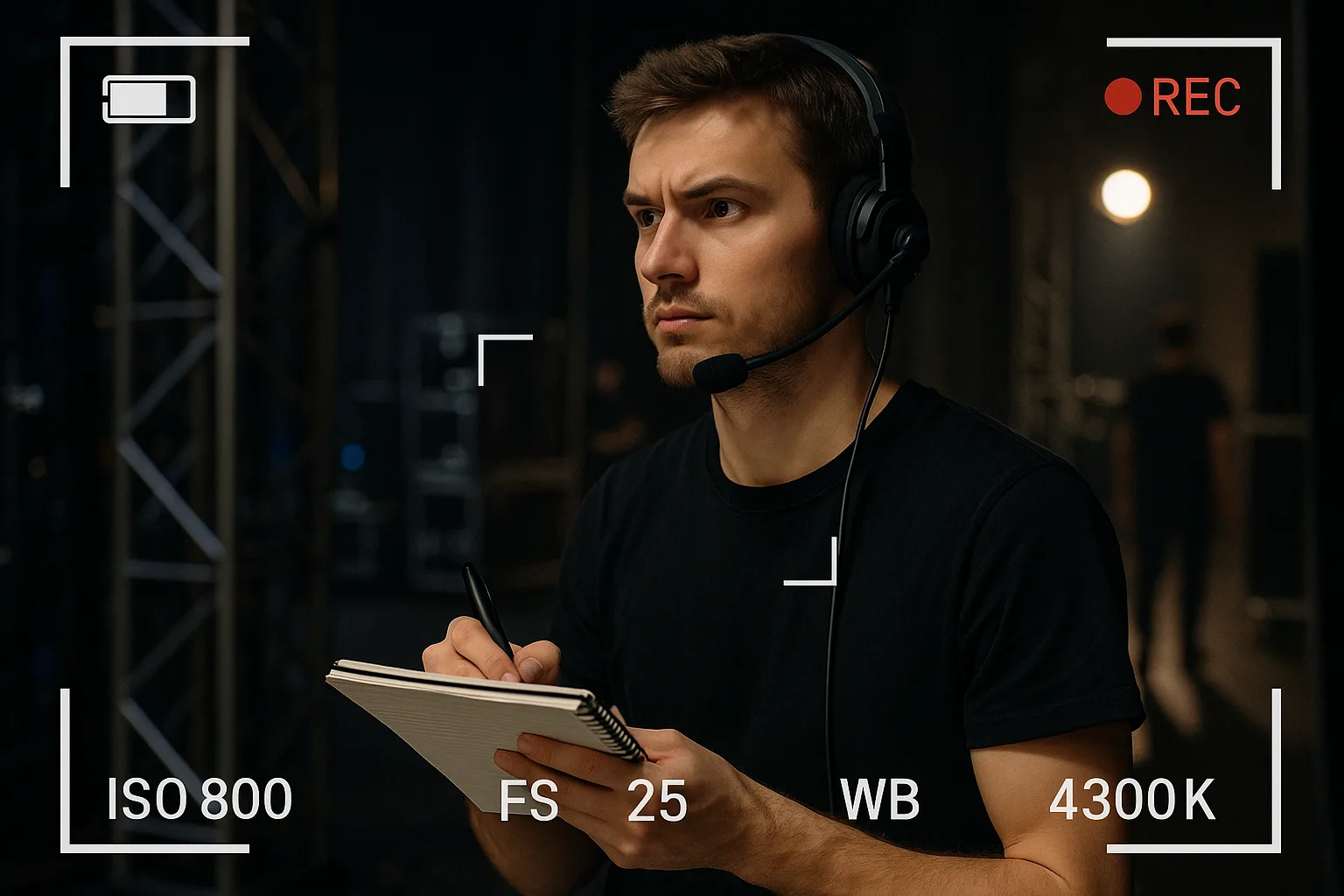
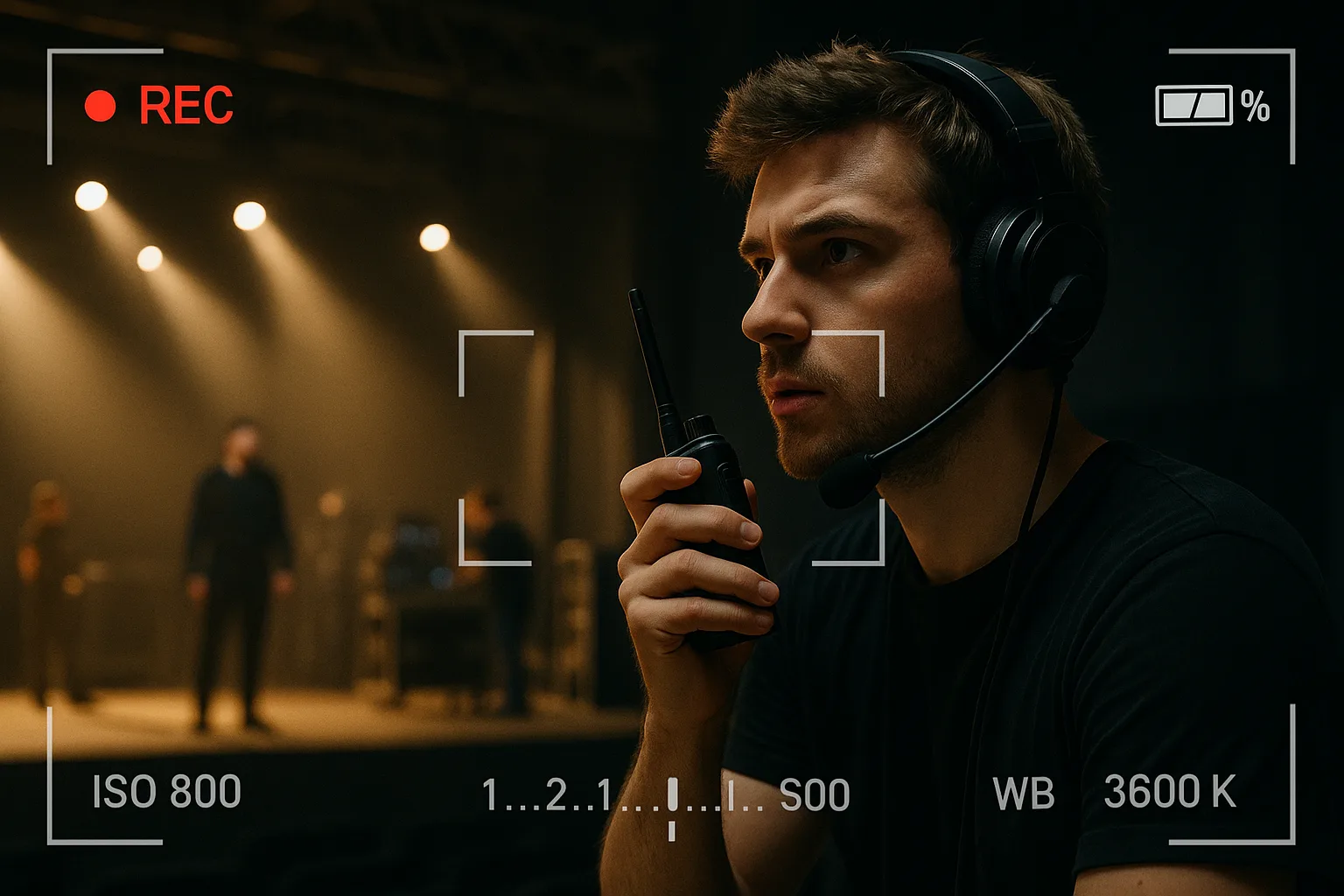
— Intercom (wired or reliable wireless) for stage management.
— Use a single cue sheet and show control system to sync lights, video and audio cues.
— Health & safety:
— Cable ramps and taped paths for pedestrian areas.
— Emergency lighting and clear egress signage required by local regulations.
— Have a medical first responder onsite for larger events.
4. Event marketing in Omsk: channels that work
— Local platforms:
— VKontakte (VK) and Telegram are primary social channels for regional audiences.
— Instagram reaches younger demographics; use Stories for behind-the-scenes.
— Yandex.Direct and targeted ads can drive ticket sales regionally.
— PR & partnerships:
— Partner with local media (regional TV, city listings, radio) and cultural institutions to amplify reach.
— Collaborate with universities (student ticket programs) and local businesses for cross-promotion.
— Ticketing & pricing:
— Offer tiered pricing, early-bird discounts, and group rates for students.
— Use clear refund/transfer policies—audiences appreciate transparency.
— Content strategy:
— Use a mix of hero content (announcements), social proof (testimonials, press clips), and behind-the-scenes material.
— Localize copy and visuals—Russian language, local imagery and familiar landmarks increase trust.
— Measurement:
— Track impressions, click-throughs, conversion rate, sales by channel and cost-per-acquisition (CPA).
— Post-event surveys for NPS and qualitative feedback.
5. Local logistics and legal considerations
— Permits: apply early for municipal permits, outdoor event permissions, amplified sound, and pyrotechnics. City administration and regional Ministry of Culture manage many approvals.
— Insurance: public liability and event cancellation insurance are essential—mandatory for many venues.
— Labour & unions: verify local labor rules, overtime, and certification requirements for riggers and operators.
— Transport & accommodation: coordinate routes for load-in during off-peak hours. Omsk has a good hotel base but book block rooms for visiting crews in advance, especially around holidays.
6. Risk management & contingency planning
— Weather: large temperature swings and winter conditions can affect outdoor events—have an indoor backup or make infrastructure winterized.
— Power outage: always specify a generator plan and UPS for critical show systems.
— Artist issues: have understudies or local acts on standby for headline cancellations.
— Crowd management: work with local security firms experienced in Omsk events; plan entry/exit flows and emergency evacuation routes.
7. Practical checklist (for a medium-sized event)
— 6–12 months: venue, budget, concept, headline talent, preliminary permits.
— 3 months: contracts signed (talent, vendors), marketing launch, technical riders finalized.
— 1 month: site visit with full tech team, run-of-show drafted, ticketing nearing capacity checks.
— 1 week: load-in schedule confirmed, safety brief, concessions/vendors confirmed.
— Day-of: soundcheck, cue-to-cue, final walk-through with security and medics, show call sheet distributed.
— Post-event: debrief with team, financial reconciliation, audience feedback survey, sponsor reports.
8. Fast 90-day action plan (if you need to produce something quickly)
— Day 0–7: Define goals, budget cap, and target audience; book venue and secure date.
— Week 2–4: Confirm core creative concept and headline talent; open ticketing; begin social channels.
— Week 5–8: Lock technical spec and vendors